
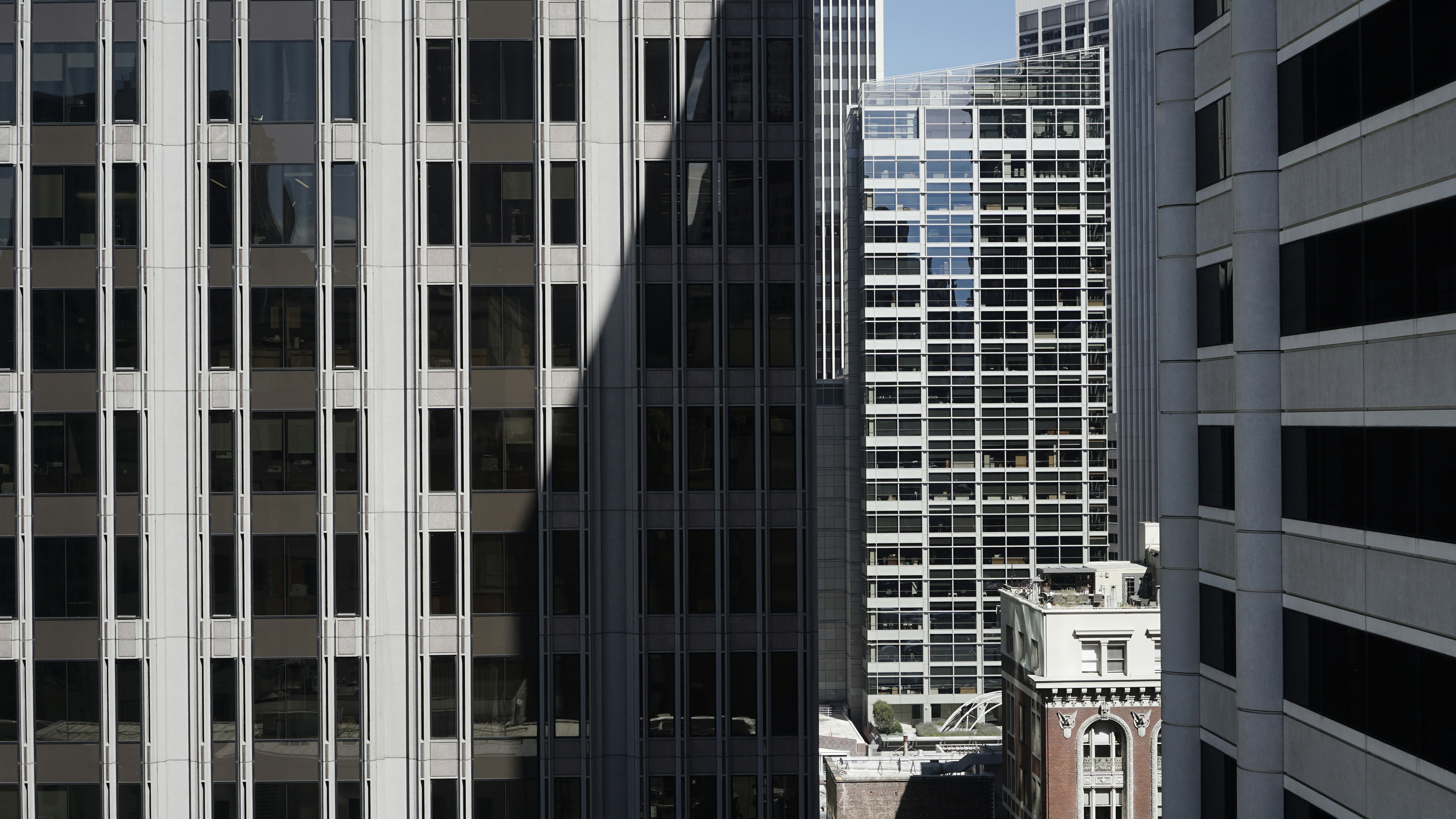
San Francisco’s downtown skyline is undergoing a significant transformation. As remote work continues to reshape the urban landscape, the city is repurposing vacant office buildings into residential spaces, aiming to revitalize its core and address the ongoing housing shortage.
With office vacancy rates exceeding 23%—the highest in the nation—San Francisco faces a surplus of underutilized commercial spaces. To combat this, city officials have introduced legislation to incentivize the conversion of these offices into housing units. The new ordinance eliminates several city-imposed fees, notably the inclusionary housing fee, which developers cited as a barrier to such projects. Additionally, the city has established a “Downtown Revitalization and Economic Recovery Financing District,” allowing developers to borrow against future tax revenues to fund conversions.
The recent legislative changes aim to make office-to-housing conversions more economically feasible. By removing certain fees and streamlining the application process, the city hopes to encourage developers to invest in adaptive reuse projects. These measures are part of a broader strategy to rejuvenate downtown San Francisco and meet California’s housing targets.
Despite these efforts, the path to widespread office-to-housing conversions is not without obstacles. Financial viability remains a concern, as the cost of retrofitting office buildings can be substantial. Additionally, some community members and officials have expressed concerns that fee waivers might impact funding for essential services like affordable housing and childcare.
The success of these initiatives could serve as a model for other cities grappling with similar challenges. As San Francisco pioneers these adaptive reuse strategies, the transformation of office spaces into residential units may become a defining feature of post-pandemic urban development.