
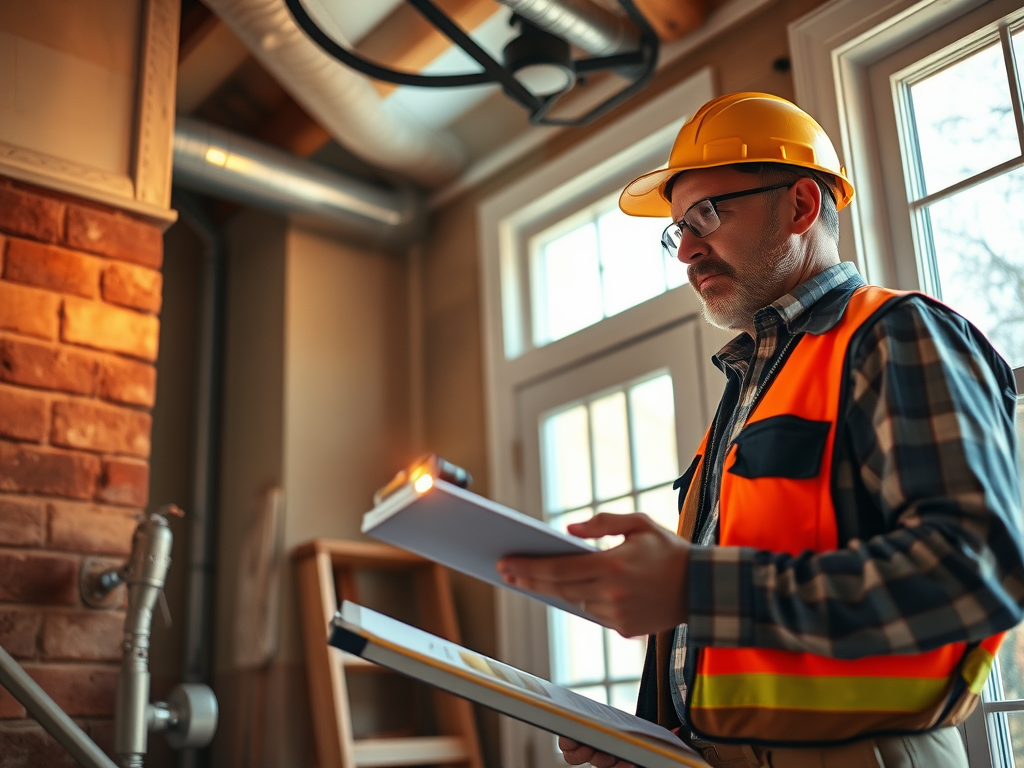
Buying a home is one of the biggest investments most people make, so ensuring that investment doesn’t come with unwelcome surprises is crucial. That’s where a home inspection comes in. Think of it as the ultimate check-up for your soon-to-be home—making sure it’s safe, sound, and worth every penny. Whether you’re buying your first property or your fifth, let’s talk about why home inspections are non-negotiable and what to keep an eye on during the process.
Why Home Inspections Are a Must
Imagine falling in love with a home, only to move in and find hidden issues that turn your dream into a nightmare. A professional home inspection helps uncover potential problems so you can make informed decisions before sealing the deal.
Here’s why they’re so important:
- Uncover Hidden Problems
Some issues aren’t visible during a casual walkthrough. Structural problems, plumbing leaks, or faulty electrical systems can hide beneath the surface and become costly surprises later. - Negotiation Power
If the inspection reveals major concerns, you can negotiate with the seller to address repairs or adjust the price. It’s your leverage to ensure you’re not overpaying. - Safety First
Inspections can spot issues like mold, radon, or electrical hazards that could pose serious health or safety risks to you and your family. - Plan for Future Repairs
Knowing the condition of the roof, HVAC system, or foundation helps you budget for upcoming maintenance or replacements. - Peace of Mind
Buying a home is already stressful. A thorough inspection gives you confidence that you’re making a sound investment.
What to Expect During a Home Inspection
A home inspection typically takes two to four hours, depending on the size and condition of the property. A licensed inspector will evaluate the property’s major systems and components, and you’ll receive a detailed report outlining their findings.
Here’s what they’ll generally cover:
- Roof: Condition of shingles, flashing, gutters, and any signs of leaks.
- Foundation and Structure: Cracks, settling, or signs of water intrusion.
- Plumbing: Leaks, water pressure, and the state of water heaters, pipes, and fixtures.
- Electrical: Outdated wiring, overloaded circuits, or faulty outlets.
- HVAC: Functionality of heating, ventilation, and air conditioning systems.
- Windows and Doors: Check for drafts, damage, or issues with seals.
- Attic and Basement: Insulation, ventilation, and signs of pests or water damage.
- Exterior: Siding, drainage, and general curb appeal.
- Appliances: If included, they’ll test items like stoves, dishwashers, and refrigerators to ensure they’re operational.
Key Areas to Pay Attention To
Given the city’s diverse housing stock, it’s essential to pay close attention to the following areas during your home inspection:
1. Foundation and Structure
San Francisco homes are no strangers to earthquakes, and a solid foundation is a must. Inspectors will look for cracks, uneven settling, or signs of water damage that could signal bigger issues.
2. Roof Condition
Many San Francisco homes feature flat or pitched roofs, which require regular maintenance. Inspect for leaks, damaged shingles, or drainage problems—especially since our rainy season can put roofs to the test.
3. Electrical Systems
Older homes in San Francisco often have outdated wiring that doesn’t meet modern safety standards. Inspectors will check the breaker panel, outlets, and overall system to ensure it’s safe and up to code.
4. Plumbing
From galvanized pipes to sewer lines, a plumbing inspection is vital. Issues here can lead to costly repairs, especially in older homes.
5. Heating and Cooling Systems
With San Francisco’s temperate climate, HVAC systems are primarily used for heating—except for about 10 days a year, unless you’re in the Mission district. Make sure heating systems are functioning efficiently.
6. Pest and Termite Damage
Wood-destroying pests are common in San Francisco homes, particularly in older properties. An inspection will look for signs of infestations that could compromise the home’s structure.
7. Seismic Retrofitting
In a city prone to earthquakes, it’s important to verify if the property has been retrofitted. Homes without proper seismic upgrades may need costly improvements to ensure safety.
What a Standard Home Inspection Won’t Cover
While home inspections are thorough, they don’t cover everything. Additional inspections may be necessary for:
- Asbestos or Lead Testing
- Seismic Upgrades
- Swimming Pool Inspections (if you’re lucky enough to have one of the few in San Francisco!)
- Solar Panel Evaluations
If the home has unique features or older construction, you might want to bring in specialists.
How to Make the Most of Your Home Inspection
Here’s how to prepare and get the most out of the inspection process:
- Attend the Inspection
Be there in person if possible. It’s your chance to see the home’s condition firsthand and ask questions. - Review the Report
Once you receive the inspection report, go through it carefully. Highlight major issues that need immediate attention and minor fixes you can tackle later. - Consult Experts
For any significant issues, bring in contractors or specialists for estimates. This helps you understand the scope and cost of repairs. - Prioritize Fixes
Focus on essential repairs like structural integrity, electrical safety, or roof leaks before addressing cosmetic concerns.
Tips for Sellers
If you’re selling, consider getting a pre-listing inspection. This allows you to address potential deal-breakers before buyers even walk through the door, speeding up the transaction process and reducing last-minute surprises.
Wrapping It Up: Why Home Inspections Are Your Best Investment
Home inspections are an essential step in the home-buying process, offering you clarity and peace of mind to make informed decisions. They’re not just about spotting potential issues—they’re about protecting your investment and ensuring your new home meets your expectations.
Whether you’re buying or selling, think of inspections as a chance to better understand the property. This proactive step can help you avoid costly surprises and make the entire process smoother and more secure.
Looking to move forward with confidence? Let’s connect and find a home that checks all your boxes. And if you’re searching for trusted home inspectors, check out our Resource List for top local recommendations.
Here’s to making informed and confident choices in your next move!