
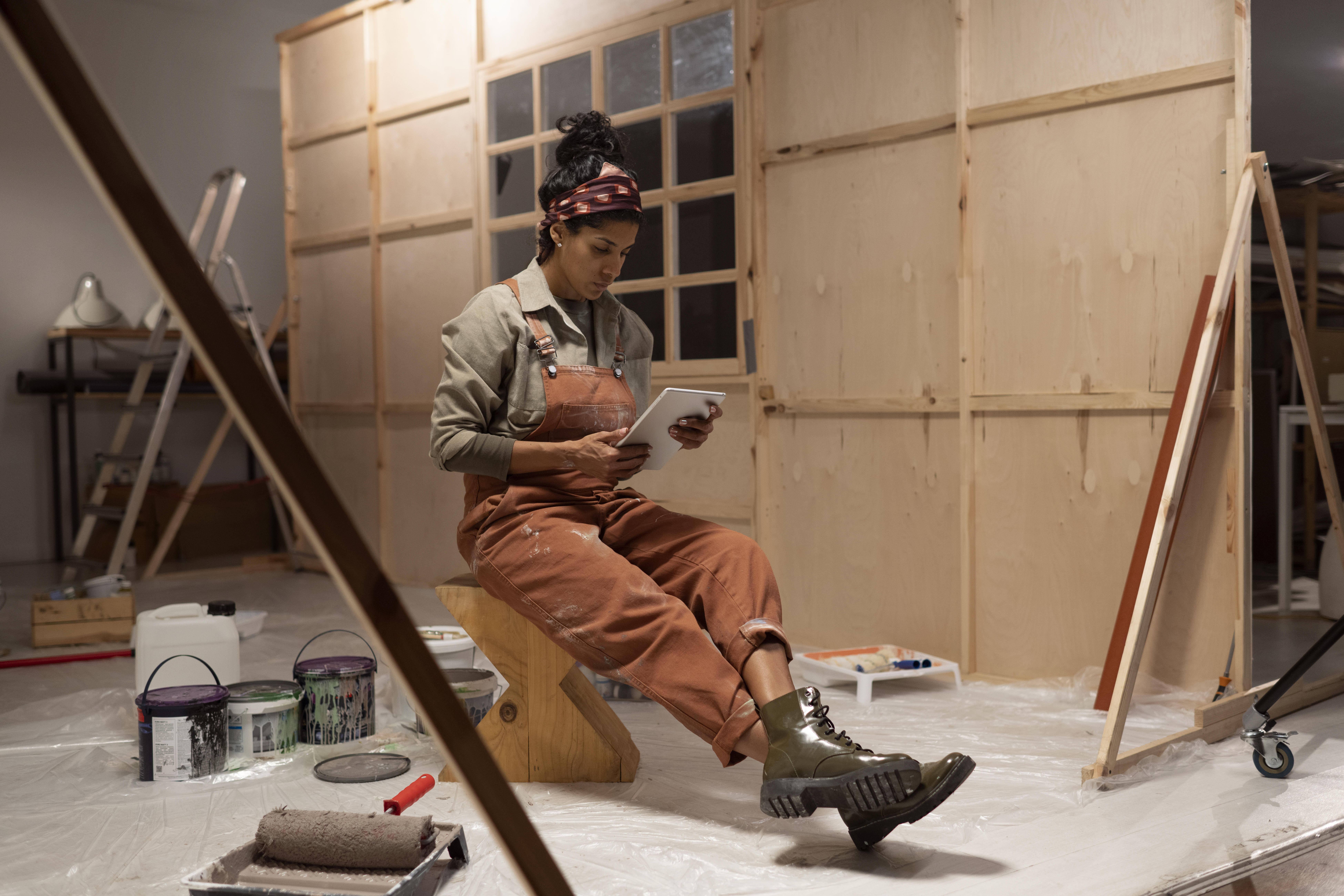
Buying a fixer-upper can be a thrilling adventure, and an absolutely mind boggling confusing, frustrating, and downright painful process in San Francisco, and it sure as heck isn’t for everyone. But for those willing to roll up their sleeves, it can be a rewarding way to buy into a desirable neighborhood, get creative with design, and potentially increase a property’s value. However, it’s also a commitment in time, effort, and resources, and the journey can come with surprises. Here’s a straightforward look at the pros, cons, and key points to think about if you’re considering taking on a fixer-upper.
What’s a Fixer-Upper, Anyway?
A fixer-upper is a home that needs some degree of renovation—anything from a fresh coat of paint to a complete overhaul. These homes are usually priced lower than fully updated properties, which makes them appealing to buyers on a budget or those looking to put their personal stamp on a home.
The Pros of Buying a Fixer-Upper
Let’s start with the upsides, because there are some solid reasons people are drawn to these homes.
- Lower Purchase Price Fixer-uppers are often priced below average market value. This can make it possible to buy in a neighborhood that would otherwise be out of reach. If you’re willing to tackle the work, you may get more space or a better location than you could with a move-in-ready home.
- Creative Freedom One of the most exciting aspects of a fixer-upper is the ability to tailor the home to your tastes. From kitchen finishes to flooring and layout, you have the chance to make choices that suit your style and lifestyle.
- Potential for Increased Value With the right renovations, you could see the value of your home go up significantly. Updated kitchens, bathrooms, and improved curb appeal tend to attract buyers and can add major value. If you’re handy or have a trusted contractor, this is a great way to build equity over time.
- Fewer Competitors Some buyers aren’t interested in homes that require work, which can reduce competition for fixer-uppers. This means you might avoid bidding wars and land a deal without the high-pressure rush of competing with multiple offers.
- Personal Satisfaction Turning a home from “needs work” to “just right” can be deeply rewarding. For people who enjoy projects or have a vision for what the home could be, the experience is more fulfilling than simply moving into a fully finished home.
The Cons of Buying a Fixer-Upper
On the flip side, it’s essential to consider the challenges. While fixer-uppers have big potential, they can also come with risks, especially in San Francisco.
- Renovation Costs Add Up Quickly Renovations can be expensive, especially when unexpected issues crop up. If the plumbing, electrical, or foundation needs repair, these costs can quickly eat up your budget. It’s essential to have a good understanding of both the visible and potential hidden costs of your project.
- Time and Effort Remodeling is often time-consuming. From lining up permits to sourcing materials and managing contractors, renovations can stretch on for weeks or months. If you’re hoping to move in right away, a fixer-upper may not be the best choice.
- Financing Can Be Complicated Buying a fixer-upper sometimes requires special financing, such as a renovation loan. These loans combine the cost of the home and the cost of renovations, but they may involve additional paperwork, requirements, and inspections. Be prepared for a more complex process than a straightforward mortgage.
- Emotional Stress Renovations can be stressful. Delays, surprises, and decisions can weigh on you over time. If you’re the type who likes certainty and immediate comfort, think carefully about whether you want to take on this kind of project.
- Market Conditions There’s always a risk that after putting time and money into a fixer-upper, the market won’t reward your effort in the way you’d hoped. This is especially important if you’re planning to resell in a few years.
What to Consider Before Buying a Fixer-Upper
If you’re leaning toward a fixer-upper, here are a few practical considerations to keep in mind.
- Get a Thorough Inspection A detailed inspection can save you thousands by highlighting major issues, such as structural damage, outdated electrical systems, or mold. If the inspection reveals big problems, be sure to weigh the cost and time needed to fix these issues against the home’s purchase price and potential value.
- Estimate the Total Cost (and Then Add a Cushion) Come up with a realistic renovation budget that includes all materials, labor, permits, and potential issues. Then, add an extra 10-20% cushion for unexpected costs. Renovation costs can fluctuate, so it’s always wise to be conservative in your estimates.
- Research Permit Requirements Renovations may require permits, and the approval process can vary depending on your location and the scope of the work. Check into what’s required for the specific renovations you’re planning, and factor in time for this step. Having permits in order also protects your home’s resale value down the road.
- Find Reliable Contractors A good contractor can make or break a renovation project. If you aren’t doing the work yourself, ask for recommendations, read reviews, and look at previous work. Reliable contractors are worth their weight in gold, as they help ensure quality work, reduce delays, and manage your project professionally.
- Think About Your Long-Term Goals Are you planning to live in this home for several years, or is this a stepping stone to something else? If you see yourself moving on soon, be cautious about over-improving for the area. You want to recoup your investment if you eventually sell.
- Consider Your Skills and Availability If you’re planning to DIY parts of the project, think realistically about what you can do well, how much time you have, and the skills required. Taking on work that’s beyond your expertise can end up costing you more if mistakes need to be corrected.
- Set Your Limits Some fixer-uppers only need cosmetic updates, like painting and new flooring, while others might need new plumbing or a complete layout change. Know what you’re comfortable taking on, and don’t hesitate to pass on a house that doesn’t feel manageable.
Is a Fixer-Upper Right for You?
A fixer-upper can be a smart choice for those who have a clear vision, the budget to handle renovations, and the patience to see it through. The key is to go in with eyes wide open, realistic expectations, and a plan for both the exciting and the not-so-exciting aspects of home renovation.
If you’re drawn to the idea of transforming a house into your dream home and you’re ready for the challenge, a fixer-upper can be incredibly fulfilling. Just remember to balance the excitement with careful planning, and your efforts could lead to a space that truly feels like home.
We’ve helped clients buy and sell all kinds of fixers over the years, so if this is something for you, give us a shout.
The post was very good, I appreciate how you explain it, Keep the posts coming! Very good talent.”