
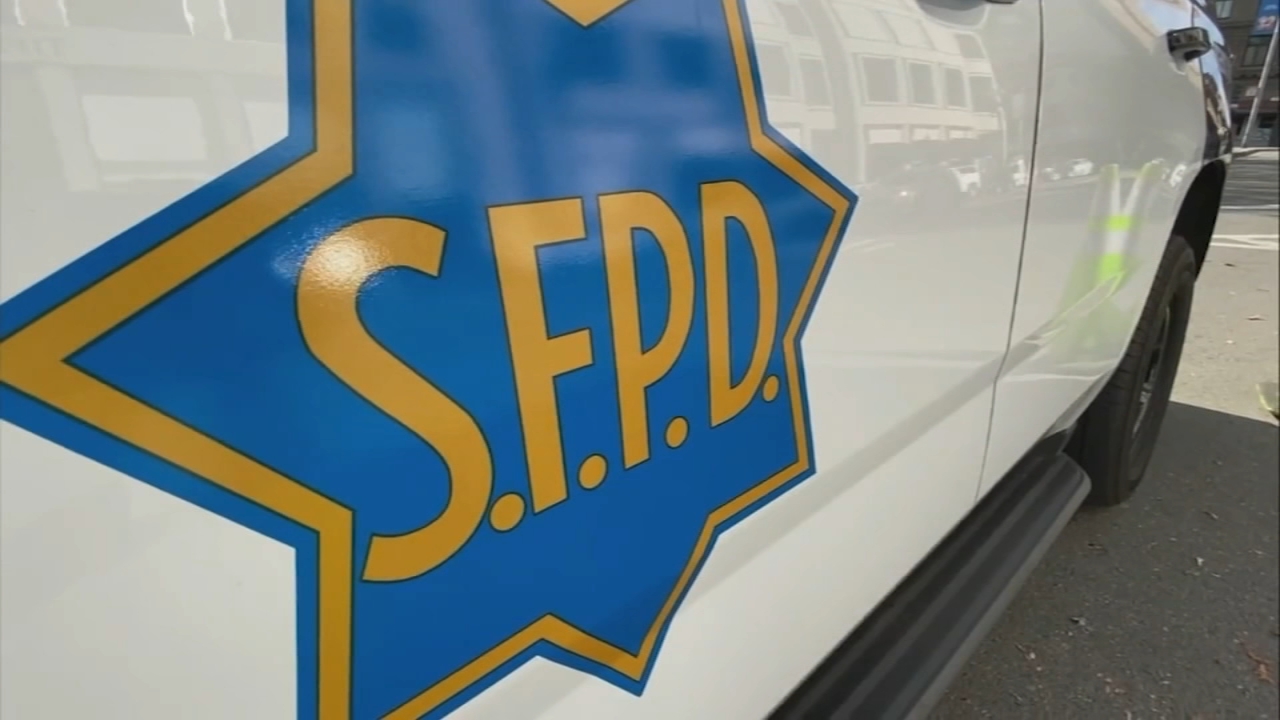
San Francisco—the jewel of the Bay Area, renowned for its creativity, resilience, and breathtaking views—often finds itself in the spotlight. But lately, that light has been harsh, with stories of crime and drug use making regular appearances. These issues are real but represent just one part of a much larger, nuanced story of a city committed to change.
Media Sensationalism vs. Reality in San Francisco Crime Rates
The media’s focus on crime can lead to an oversimplified narrative, casting specific neighborhoods in a negative light. The reality? San Francisco is actively addressing its challenges, and efforts are paying off in measurable ways.
Let’s look at recent crime stats from January to early November 2024:
- Homicides: Down to 30 from 47 in 2023, marking a 36% decrease.
- Robberies: Reduced from 2,368 incidents in 2023 to 1,836 in 2024, a significant 22.5% decline.
- Sex Trafficking: Almost halved, dropping from 15 to 8 cases.
Although progress is clear, some issues—like assault cases—are more resistant, with only a slight 4.9% decline. Still, these numbers show a city making strides in creating a safer environment.
San Francisco’s Initiatives to Combat Crime and Support Neighborhoods
Addressing crime in San Francisco takes more than just policing. The city has launched multiple initiatives focused on social support and preventive measures, including:
- Increased Police Presence and Community Outreach: Targeted neighborhoods with high crime rates are seeing enhanced patrols and specialized units, which work alongside local organizations to address safety concerns. The San Francisco Police Department (SFPD) website provides information on their community policing efforts and initiatives to address crime in specific neighborhoods.
- Affordable and Supportive Housing Initiatives: Major investments have been made to help people transition from streets to stable housing, particularly in areas struggling with homelessness and substance abuse. The San Francisco Mayor’s Office of Housing and Community Development oversees these housing programs, including affordable and supportive housing options for individuals experiencing homelessness. The Tenderloin Neighborhood Development Corporation (TNDC) also plays a key role, working to revitalize the Tenderloin neighborhood by providing affordable housing and supportive services.
- Community-Led Solutions and Local Partnerships: Organizations like the Tenderloin Neighborhood Development Corporation and United Playaz are at the forefront, bringing hands-on, community-centered interventions. United Playaz specifically uses sports and mentorship to help young people in San Francisco avoid violence and drug use.
Targeted Interventions and Community-Based Solutions
These initiatives are part of broader, city-wide efforts that involve collaboration between various city agencies, community organizations, and residents to address pressing issues like crime, drug use, and homelessness:
- The San Francisco Department of Public Health oversees programs that tackle drug addiction and mental health issues, including community outreach and treatment services.
- City-wide initiatives such as the Violence Reduction Initiative focus on reducing gun violence through a combination of law enforcement, community outreach, and social services.
These comprehensive measures are creating real shifts on the ground, providing more opportunities for those in need, and tackling the root causes of crime like poverty, inequity, and mental health challenges.
Mayor-Elect Lurie’s Vision: A New Chapter in Addressing Crime, Drugs, and Homelessness
With the recent election of Mayor-elect Daniel Lurie, San Francisco looks poised for a shift in its approach to these persistent issues. Lurie’s campaign emphasized the need for bolder policies, community-driven solutions, and efficiency in city operations. His background as a nonprofit founder gives him a hands-on perspective on issues of poverty and support for those in need, and he has promised to confront crime, homelessness, and the city’s drug crisis directly.
- Commitment to Safe, Clean Streets: Lurie has promised to prioritize clean streets and public safety, pledging to reduce crime rates and improve quality of life in neighborhoods most affected by open drug use and homelessness.
- Affordable Housing and Mental Health Initiatives: Lurie has outlined plans to work on the city’s drug and mental health crises, as well as increasing affordable housing—a step toward mitigating the homelessness problem that remains a top concern for residents and real estate investors alike.
- Small Business Revitalization: Recognizing the role of local businesses in community safety and vitality, Lurie’s plan includes stimulating the downtown economy and supporting small businesses that are essential to the fabric of San Francisco.
This vision aligns well with San Francisco’s current momentum in crime reduction and community support, infusing new energy into city-led initiatives aimed at reshaping neighborhoods.
How Crime Trends Impact San Francisco Real Estate
San Francisco’s renewed focus on safety and community support is also reshaping its real estate market. For years, potential buyers have weighed property features against crime rates and neighborhood safety, which has kept some areas under the radar. Now, as safety initiatives gain momentum, public spaces are revitalized, and affordable housing projects rise, buyer confidence is returning.
Growing Real Estate Interest in Revitalized Neighborhoods
Emerging neighborhoods—especially those undergoing improvements like the Tenderloin, SoMa, and Bayview—are seeing renewed interest. Buyers and investors alike are recognizing the potential for growth in these areas, where strong community support and new development projects are laying the foundation for long-term appreciation.
This shift makes these neighborhoods attractive for first-time buyers and investors looking for value. Real estate in these areas could offer significant returns as improvements in safety and infrastructure continue to unfold.
San Francisco’s Resilience: A Strong Market and Community Spirit
Looking beyond crime statistics, it’s clear that San Francisco’s unique spirit remains as strong as ever. The city’s diverse, culturally rich environment and deep-seated resilience are evident across all neighborhoods.
The housing market reflects this unbreakable spirit, with prices remaining stable in most areas and a renewed sense of optimism among buyers and sellers alike. Each improvement in public safety represents an opportunity for growth, reminding us that setbacks are a part of progress. As San Francisco continues to push forward, the real estate market mirrors the city’s ongoing commitment to growth, opportunity, and transformation.
What’s Your Take on San Francisco’s Changing Landscape?
San Francisco is driving meaningful change, and every neighborhood has its own story. What changes are you seeing in your community? Share your perspective—whether it’s a story of hope, frustration, or optimism. Curious about how crime stats and neighborhood improvements are impacting real estate? Reach out, and let’s talk about how these shifts could shape your next move in this incredible city.
– San Francisco Police Department | Crime Dashboard
– San Francisco Police Department | Crime Prevention
– Department of Public Health
– Mayor’s Office of Housing and Community Development
– Tenderloin Neighborhood Development Corporation
– United Playaz