
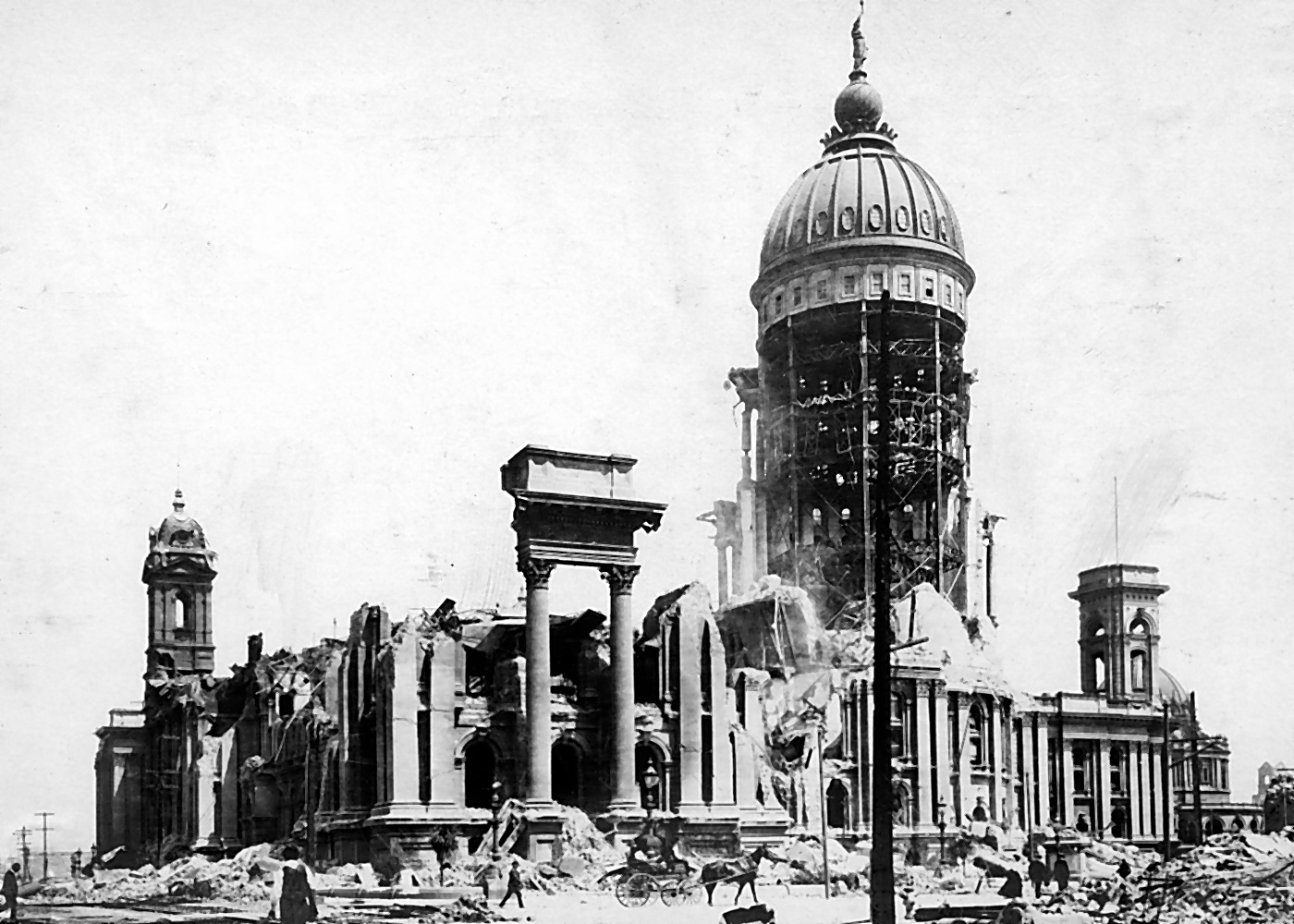
San Francisco’s history isn’t just found in books or museums. It’s embedded in the streets, buildings, and spaces around us. Over the years, the city has let go of some iconic landmarks, replacing them with new places that locals and tourists now call their favorites. If only those old buildings could talk, they would have plenty of incredible stories to share.
Let’s take a journey back in time and discover what once stood where your favorite SF spots are now.
The Cliff House: The Ghost of the Coast

Carleton E. Watkins (United States, 1829-1916) – Image: http://collections.lacma.org/sites/default/files/remote_images/piction/ma-31547183-O3.jpg

The original Cliff House, built in 1863, was much more than just a seaside retreat. It became a place where the city’s elite came to eat, drink, and take in breathtaking ocean views. Ten years after opening, the owners decided to turn it into an even more luxurious destination, adding private dining rooms, fine wines, and even an orchestra. But in 1894, a dynamite explosion from a nearby shipwreck caused significant damage to the building, leading to its eventual reconstruction.
The 1896 version of the Cliff House was a masterpiece of Victorian architecture. With eight stories and turrets, it looked like a castle perched on the edge of the world. It became the backdrop for lavish parties and countless extravagant gatherings. After a fire in 1907, the third iteration of the Cliff House emerged with a more modern design, but it was the grand Victorian version that still lingers in the memories of those who experienced it.
Playland at the Beach: From Funhouse to Condos

ca 1920’s photo of San Francisco’s Big Dipper Roller Coaster — at Playland at the Beach, western coast of San Francisco. The Early Years; Smith, James R.; 2010. page 63
Playland wasn’t just another amusement park. It was a destination where families, couples, and teenagers spent their time. Stretching across three blocks along Ocean Beach, it featured attractions like the Laughing Sal clown (which was equal parts hilarious and terrifying) and the Diving Bell, a ride that dunked riders into a tank of water.
The food here was legendary. The famous It’s-It ice cream sandwich was first served at Playland, and chili dogs and cotton candy became part of the local food culture. But by the late 1960s, the park’s popularity began to fade. It closed its doors in 1972, and the space was eventually replaced by luxury condos. For many, it feels like the memories of Playland are buried beneath the sand.
The Embarcadero Freeway: Gone and Not Missed

Section of the Embarcadero Freeway in front of the Ferry Building during demolition (May 1991)
Octoferret at English Wikipedia, Public domain, via Wikimedia Commons
You might not know this, but the Embarcadero Freeway was never completed. The plan was to extend it from the Golden Gate Bridge to the Bay Bridge, but public opposition halted the expansion in the 1960s. The portion that was built loomed over the Ferry Building, blocking the waterfront views and turning what should have been a lively space into a dreary, concrete structure.
In 1989, the Loma Prieta earthquake caused significant damage to the freeway. It was eventually torn down, making way for the vibrant, pedestrian-friendly Embarcadero promenade. Today, it’s a place where people can enjoy outdoor seating, palm trees, and stunning views of the bay—a true success story of urban renewal.
Sutro Baths: Luxury to Ruins

Sutro Baths interior, c. 1896 (Postcard)
Sutro Baths were not just a swimming pool. They were a symbol of ambition and innovation. Built by Adolph Sutro, a former mayor and self-made millionaire, the baths featured seven swimming pools with different temperatures, a museum filled with oddities like stuffed animals and ancient artifacts, and seating for 7,000 spectators.
For just 10 cents a ticket, the baths were open to everyone, making them a cultural hub for SF locals. However, maintaining such a grand structure became too expensive, and tastes shifted. A mysterious fire in 1966 destroyed the baths, leaving behind the haunting ruins that still attract explorers, photographers, and history enthusiasts.
Fleishhacker Pool: Bigger Isn’t Always Better

Fleishhacker Swimming Pool, San Francisco, California Postcard (1932)
Fleishhacker Pool was a massive structure, so large that it needed its own filtration system and lifeguards in rowboats to patrol the waters. Opening in 1924 next to the Fleishhacker Zoo (now the SF Zoo), the pool was filled with Pacific Ocean water and hosted Olympic swimming events, water polo matches, and countless summer days filled with fun for local families.
By the 1970s, however, the pool became too costly to maintain and fell into disrepair. It was eventually demolished to make way for a small parking lot, which occupies the spot where the pool once stood. Locals still fondly remember the enormous aquatic playground that used to be there.
The Old City Hall: A Pre-Quake Masterpiece

Postcard of pre-earthquake w:San Francisco City Hall, California. circa 1900
The original City Hall was a true architectural marvel. Construction took 27 years, and the building featured a 300-foot dome, larger than the U.S. Capitol’s, and stunning golden details. It symbolized San Francisco’s growing importance.
Sadly, the building didn’t last long. The 1906 earthquake destroyed it, mainly due to poor construction practices. The ruins were cleared, and the current City Hall, completed in 1915, stands in its place. While today’s building is equally magnificent, it’s hard not to wonder what might have been if the original had survived.
The Sands of Time: Lessons from SF’s Lost Landmarks
San Francisco is a city rich with history, full of stories that often go unnoticed amid the shiny new developments that dominate its skyline today. The iconic landmarks and historic spaces that once defined this city have been replaced over time, some completely disappearing from view, while others remain only in the memories of those who witnessed them. While we eagerly embrace the city’s ongoing transformation, it’s important to pause and reflect on the structures, neighborhoods, and landmarks that shaped the San Francisco we know and love today. These places were not just buildings; they were gathering spots, cultural hubs, and symbols of the city’s spirit. Understanding what came before helps us appreciate not only how far the city has come but also the stories that live on in the very streets we walk today.
Follow @theFrontSteps on social media for more slices of SF history, real estate insights, and tips for navigating the ever-changing cityscape. Got a piece of SF nostalgia to share? Let’s keep these stories alive together. And if you’re thinking about making your own mark in SF real estate, contact us today.